HORT Tree Tie
High-strength tree tie for staking, supporting, and securing trees, palms, tropical plants, and landscape material.
HORT Tree Tie is flexible, durable, and easy to work with — making it ideal for newly planted trees, palms, shrubs, vines, tropical plants, nursery stock, and general landscape support applications where soft, UV-resistant webbing is preferred over rope, wire, or twine.
1000 lb Breaking Strength
Strong enough for demanding outdoor support applications while remaining soft and flexible against trees, palms, and plant material.
Built for Outdoor Conditions
Highly UV-resistant, moisture-resistant polypropylene webbing made for outdoor exposure where sun, rain, irrigation, and weather can quickly break down ordinary tying materials.
Soft on Trees, Palms & Plants
Helps reduce the risk of bark damage, trunk abrasion, rubbing, or scarring compared to rough rope, bare wire, twine, or improvised tying methods.
Versatile & Easy to Use
Great for staking young trees, supporting palms, securing tropical plants, training vines, tying nursery stock, and handling general outdoor landscape projects.
Technical Product Summary
Professional Webbing for Landscape Support Systems
Tree Tie works as the flexible connection material in a professional staking system. It can be used to connect tree straps to wood stakes, steel T-posts, or ground anchors, and it is also practical for palm support, nursery tying, tropical plant support, and general landscape securing applications.
Connection Material
Use with tree straps to connect to stakes, T-posts, or anchors instead of bare wire, rope, or weak twine.
Visible Jobsite Safety
Webbing is more visible than thin wire, helping create a cleaner, more noticeable staking system around walkways, lawns, and public spaces.
Professional Finish
Provides a cleaner finished appearance than improvised tying materials while remaining soft, flexible, and easy to install.
Common Uses
Tree Staking Connect tree straps to stakes, T-posts, or ground anchors.
Palm Support Secure palm trunks or fronds during establishment or storm preparation.
Nursery Stock Tie, train, or secure plant material without using abrasive materials.
Landscape Projects Bundle, secure, and support materials in outdoor professional applications.
Pro Tip: When supporting trees, palms, and tropical plants, avoid tying too tightly. Slight controlled movement helps reduce stress while still providing support during establishment.
Professional Plant Support Resources
Learn More About Tree Tie, Palm Support & Plant Support
Tree Tie Uses and Applications
Learn how soft polypropylene tree tie is used for trees, plants, nursery stock, and general landscape support. Read Guide →
How to Support Newly Planted Palm Trees
Learn why newly transplanted palms need support and how flexible webbing helps reduce trunk damage. Read Guide →
Palm Tree Support Webbing
Compare webbing, rope, wire, and twine for professional palm tree support applications. Read Guide →
High Wind Palm Support
Learn how professionals stabilize palms in windy, coastal, and storm-prone landscapes. Read Guide →
Palm Support Mistakes
Avoid common palm support mistakes like over-tightening, wire contact, and poor material selection. Read Guide →
Refine by
On Sale
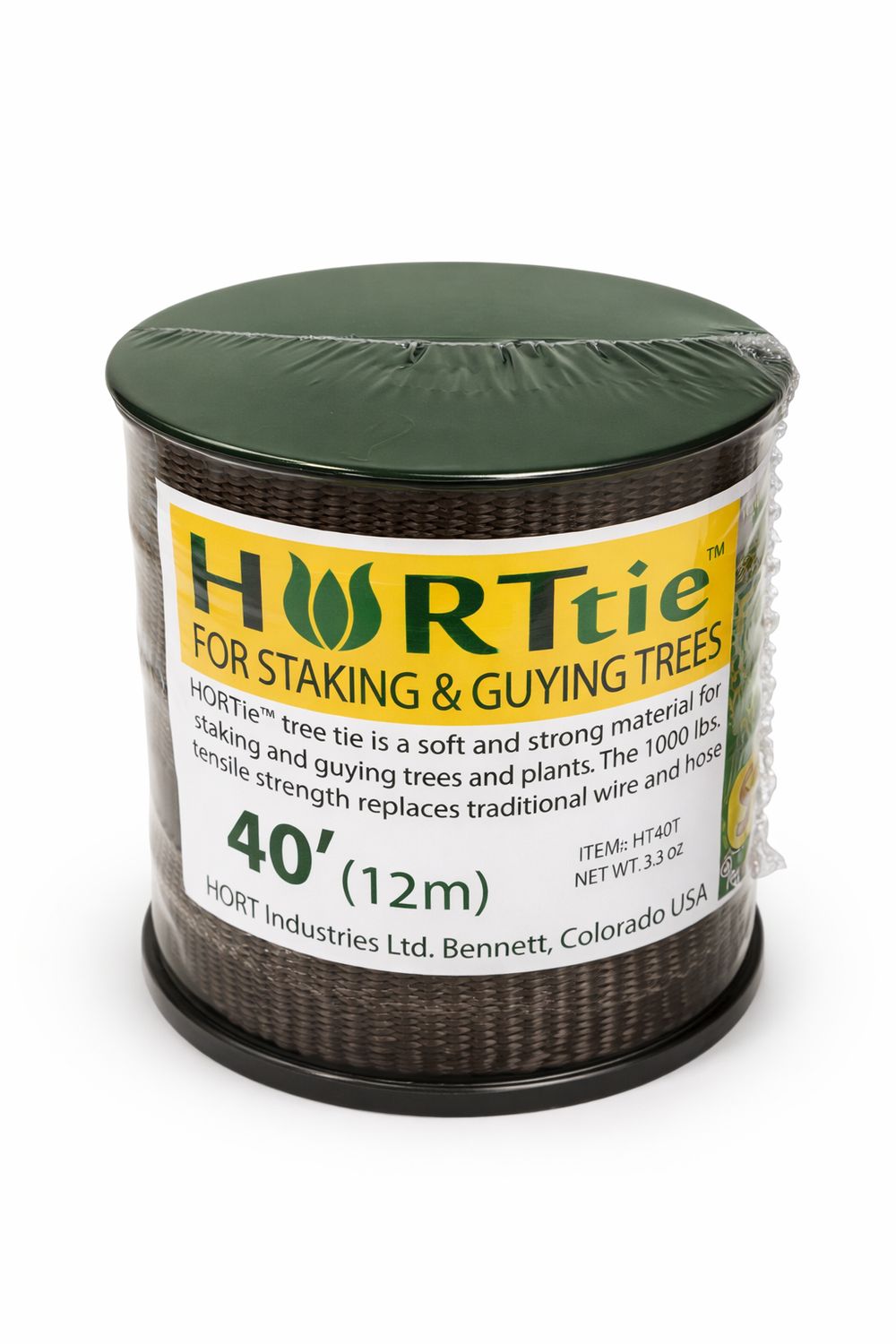
Tree Tie 40' Olive Green
Tree Tie 40' Olive Green
Tie it once. Trust it for everything outdoors.
was $18.99
Save 21%
$14.99
On Sale
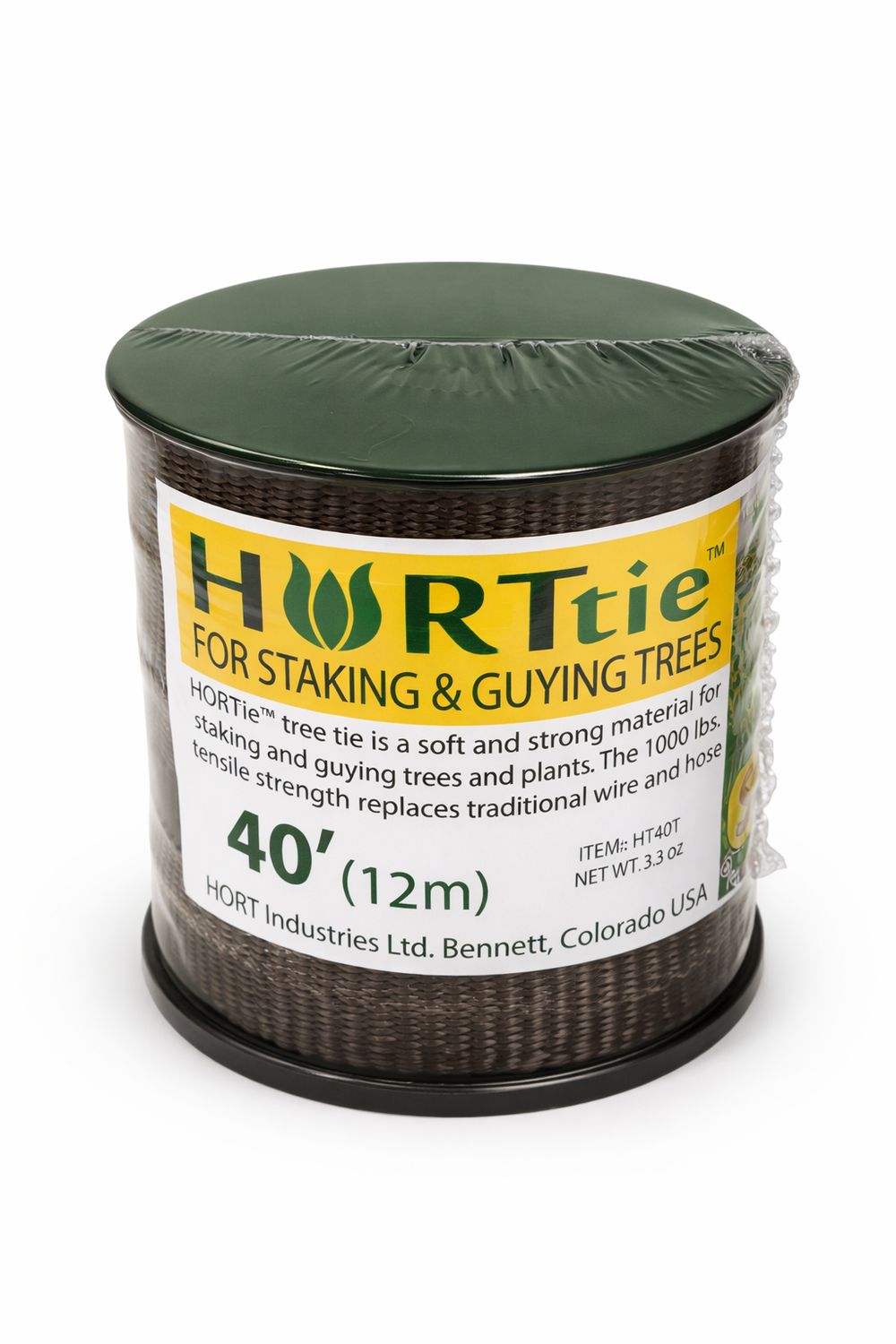
Tree Tie 40' Tan
Tree Tie 40' Tan
Tie it once. Trust it for everything outdoors.
was $18.99
Save 21%
$14.99
On Sale
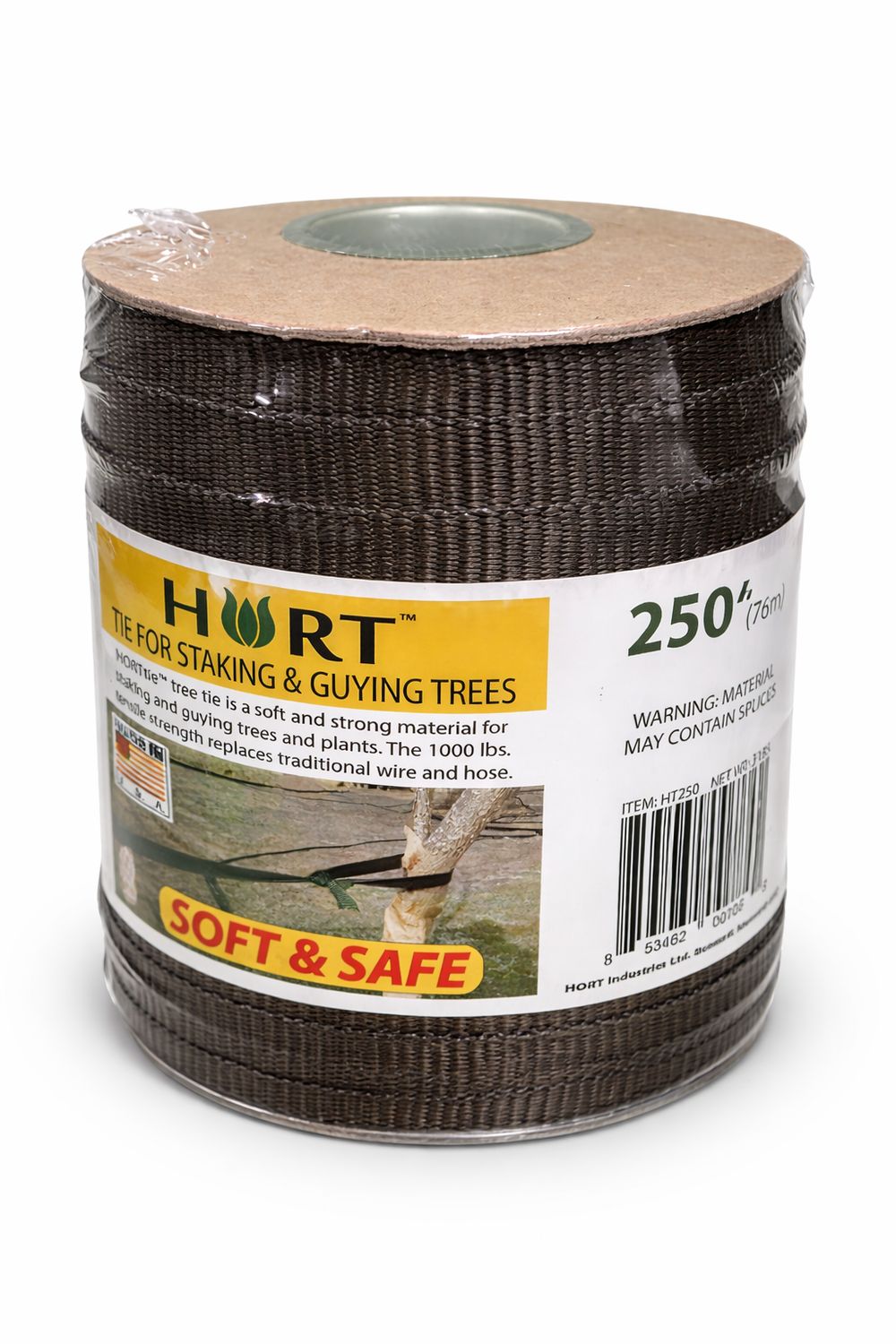
Tree Tie 250' Olive Green
Tree Tie 250' Olive Green
Tie it once. Trust it for everything outdoors.
was $79.99
Save 25%
$59.99
On Sale
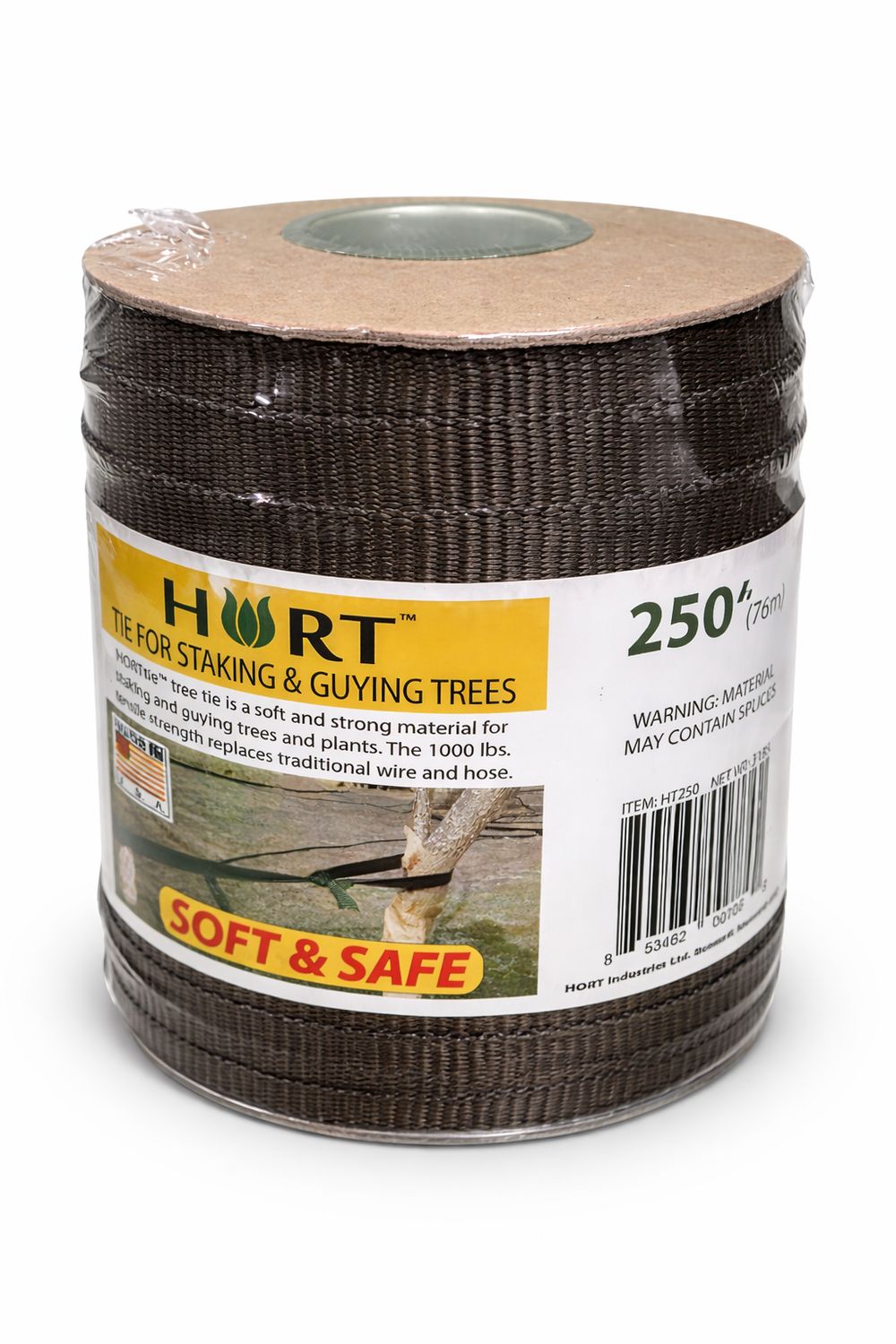
Tree Tie 250' Tan
Tree Tie 250' Tan
Tie it once. Trust it for everything outdoors.
was $79.99
Save 25%
$59.99
On Sale
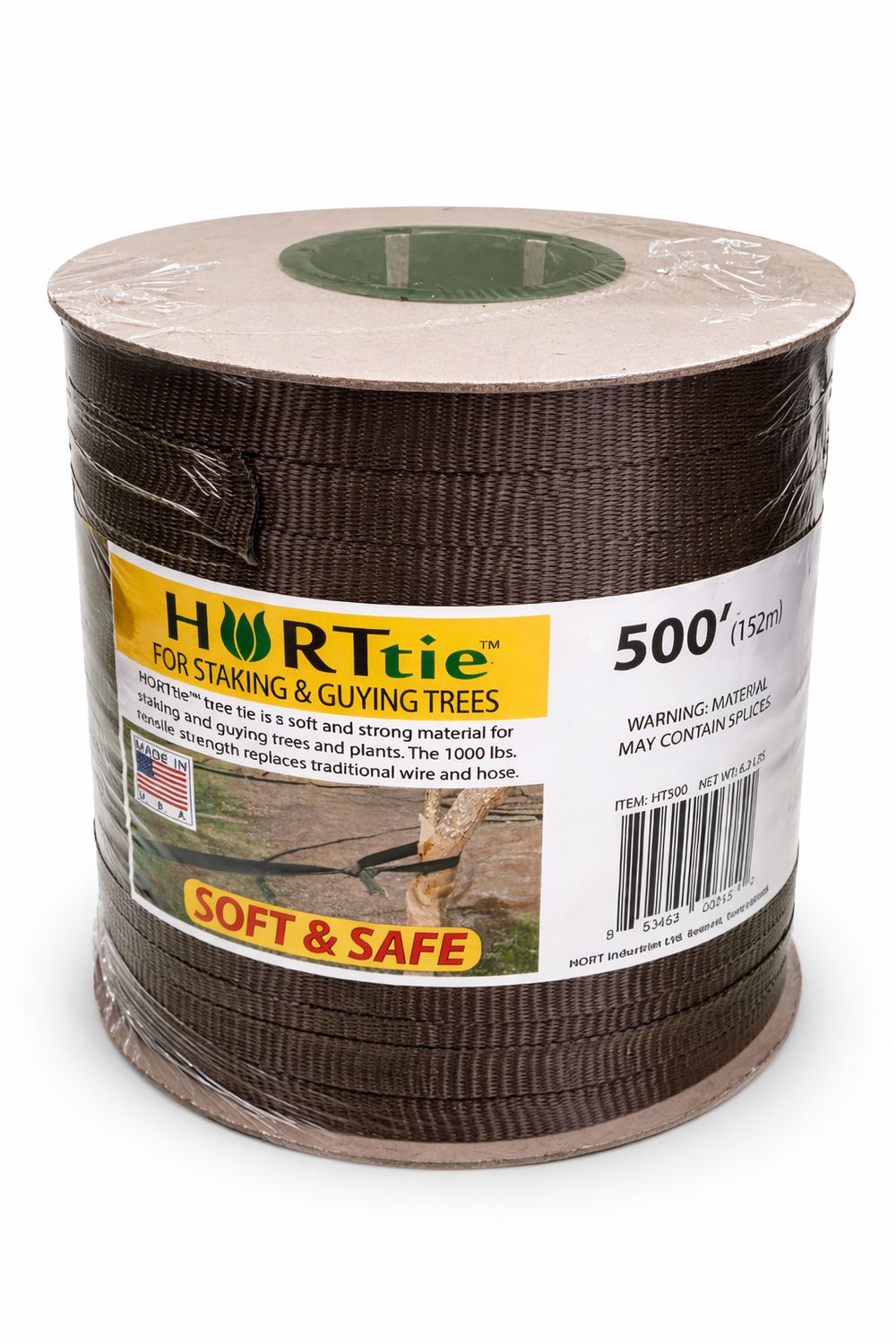
Tree Tie 500' Olive Green
Tree Tie 500' Olive Green
Tie it once. Trust it for everything outdoors.
was $119.99
Save 17%
$99.00
On Sale
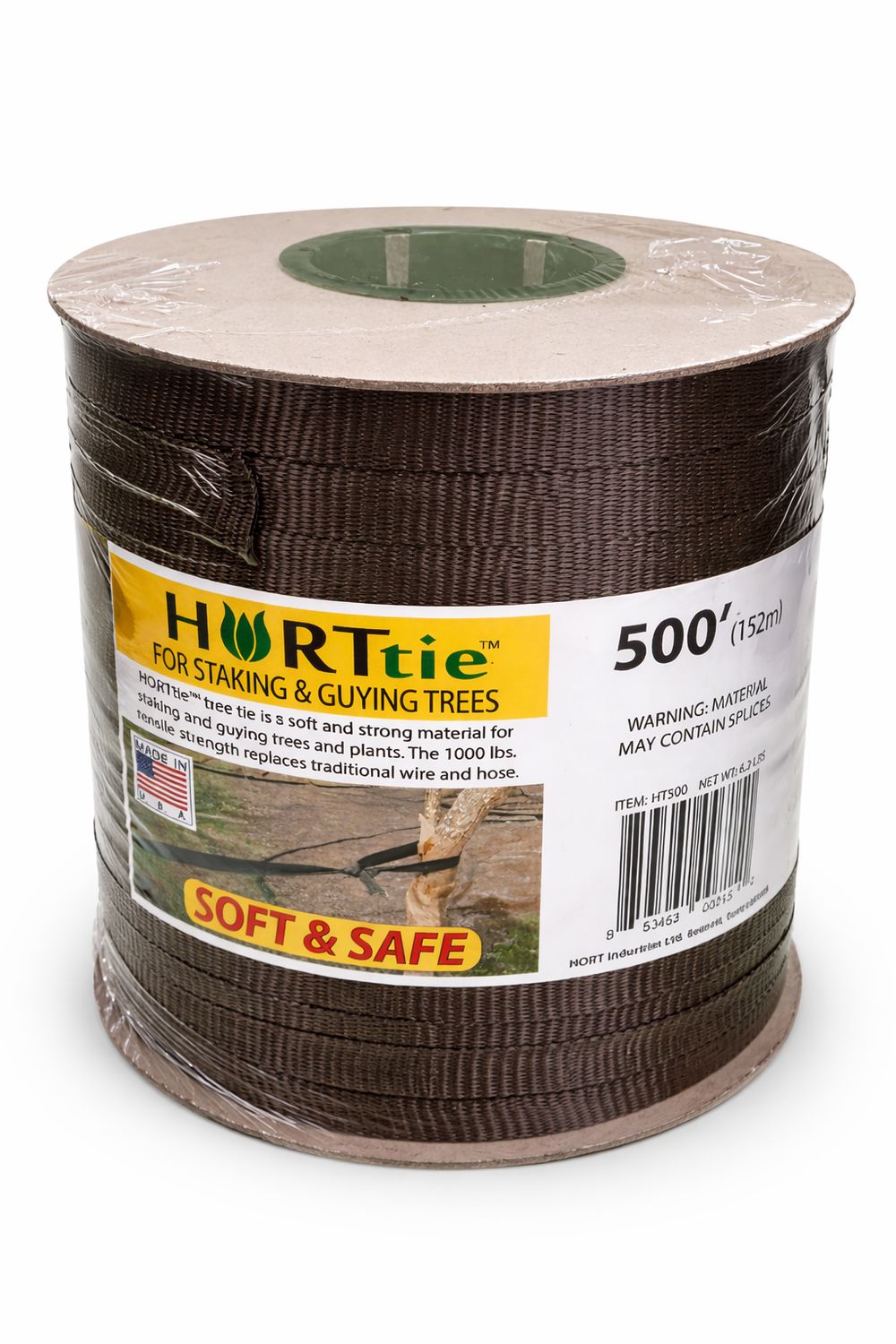
Tree Tie 500' Tan
Tree Tie 500' Tan
Tie it once. Trust it for everything outdoors.
was $119.99
Save 17%
$99.00
Powered by Lightspeed
Display prices in:USD